That 80% humidity reading on your weather app isn’t just a number for your hair—it’s a material science lecture for your bedroom. For side sleepers, the wrong topper material can turn a pressure-relieving dream into a sticky, heat-trapping ordeal. Memory foam, with its famous body-hugging contour, is a classic recommendation for cushioning shoulders and hips. But its dense structure doesn’t breathe easily, and in a poorly ventilated HDB common bedroom, it can hold onto your body heat like a thermal blanket. You’ll sink in comfortably, only to wake up feeling like you’re baking.
This is where your room’s orientation and airflow become part of the buying decision. A west-facing bedroom that soaks up the afternoon sun is already a heat magnet. Pair that with a standard memory foam topper and a ceiling fan on low, and you’ve engineered a personal sauna. The foam’s performance is literally dampened by our climate—it can feel softer, even sluggish, in the sustained humidity, losing some of its supportive rebound. Good ventilation with a strong fan or air-con can mitigate this, but if your room’s layout traps still air, you’re fighting a losing battle.
For a genuinely cooler sleep, natural latex is the standout choice. Its open-cell structure allows air to circulate freely, pulling heat away from the body throughout the night. It still offers the crucial pressure relief for your side-sleeping joints, though its feel is more of a buoyant, responsive cradle rather than a slow-melting sink. It’s the one to seriously consider for those in warmer flats or for anyone who sleeps hot by nature. The trade-off is a firmer initial feel and a higher price tag, but for all-night coolness, that’s the premium.
Don’t overlook the base you’re placing it on, either. A topper can only do so much if it’s sitting on a non-breathable surface. Slapping a cooling latex topper directly onto a solid platform bed with no air gaps partly defeats the purpose. A slatted base, even a simple divan with a fabric-covered base, allows for better overall airflow. It’s a system, not just a single layer.
So, is memory foam out entirely? Cannot lah. If your bedroom is consistently air-conditioned or has exceptional cross-ventilation, its contouring benefits can still shine without the sweat. But for the majority in our typical flats—where the air is thick and still by midnight—prioritising breathability isn’t just about comfort; it’s about making your investment work through our endless summer.
The single biggest decision for a side sleeper is firmness, so the mattress firmness scale of 1 to 10 is the tool to use — side sleepers generally want the softer-to-medium-firm range, where the surface cushions the shoulder and hip rather than resisting them. Back and stomach sleepers go firmer; side sleepers go softer. Extending mattress topper lifespan: cleaning and maintenance tips . Body weight nudges it too, so a heavier side sleeper may want slightly more support. Shopping by a numbered firmness beats trusting a vague "soft" label that means something different on every mattress.." width="100%" height="480">How to select mattress topper thickness for side sleeper comfortThe shoulder and hip don't lie. If your mattress topper is too skimpy, those pressure points will announce themselves by morning—a dull ache that says the cushioning simply gave up. Yet, a slab that's overly generous creates its own problem, letting your spine sag into a misaligned curve that pulls at your lower back. It's a delicate balance, finding that sweet spot where the topper contours enough to cradle your joints but still provides a supportive base.
For the typical side sleeper in a Singapore flat, especially in those compact common bedrooms around 12 square metres, the answer often lands at a 2-inch thickness. This depth is substantial enough to soften the impact on your shoulder and hip, allowing them to sink in just the right amount. At the same time, it's not so deep that your pelvis tilts or your torso drops too far below the alignment of your head and legs. You get the pressure relief without the postural penalty.
Think of it as adding a dedicated comfort layer, not a whole new mattress. A thicker topper, say 3 inches or more, starts to behave like a separate soft mattress stacked on a firm one—the two can work against each other. Your body sinks into the plush top layer but then hits the unyielding base, creating a kind of hammock effect that stresses the midsection. foam mattress . The 2-inch option integrates better, modifying the feel of your existing bed rather than overriding it completely.
There is one clear exception. If your current mattress is exceptionally firm—think a very old spring unit or a board-like platform—you might need that extra 3-inch depth to make any noticeable difference. For most modern medium-firm mattresses, however, the two-inch topper hits the mark. It transforms a bed that's just a bit too hard into one that welcomes your side-sleeping posture, all without eating up excessive space in a room where every centimetre counts.
Under two hundred dollars, you're looking at a basic polyester fibre pad. It's a thin layer that adds a whisper of softness, but it compresses flat quickly under your shoulder and hip. For a side sleeper, that minimal cushioning often isn't enough to prevent pressure points from forming after a few hours. The price is tempting, especially if you just need a temporary buffer on a very firm mattress. But understand that this is a short-term fix—the material lacks the resilience for proper contouring and will likely need replacing within a year or two. Consider it only if your budget is extremely tight and your underlying mattress is already quite close to what you need.
Step into the four to six hundred dollar range, and you enter the territory of memory foam. This material is the classic choice for side sleepers because it genuinely cradles your shoulders and hips, easing that familiar morning ache. The foam slowly yields under pressure, which helps to keep your spine in a neutral alignment instead of letting it bow awkwardly. A thicker topper in this category, around five to eight centimetres, makes a noticeable difference for anyone feeling those joints dig into a too-firm surface. Just remember that traditional memory foam can sleep warm, a point worth considering in our year-round humidity. The investment here buys you several years of targeted comfort if you pick a decent density.
Natural latex, typically found from seven hundred to eight hundred dollars, offers a different kind of support. It's buoyant and responsive, pushing back gently as you sink in, which many find cooler and less enveloping than memory foam. For a side sleeper, this creates a stable platform that cushions without letting you sink too deeply, which is crucial for maintaining alignment. The material is also incredibly durable and resistant to dust mites, a solid long-term buy. The higher price reflects a topper that could easily outlast your current mattress, making it a value proposition over a decade. A latex mattress is the value route to side-sleeper comfort — foam contours to the body for pressure relief at a lower price than spring builds, and it's lighter and easier to handle. Judge it on foam density rather than thickness, since density decides how long it holds support. Many foam models now add cooling gel for warmer climates. For a side sleeper who wants contouring comfort without the premium-tier spend, a quality foam is a sensible starting point.. It's the go-to if you dislike the sinking feeling or sleep hot but still need that pressure relief.

Your budget directly influences the thickness you can afford, and for side sleeping, thickness is non-negotiable. A skimpy two-centimetre pad, common at the lowest price point, simply won't provide the depth needed to accommodate your shoulder. You'll want a minimum of five centimetres to properly bridge the gap between your body's widest points and the firm mattress below. Spending more allows for those substantial seven or eight-centimetre profiles that truly transform a bed's feel. Don't make the mistake of buying a premium material in a too-thin slice—it defeats the entire purpose. Allocate your funds to ensure the topper has enough substance to do its job.
View this ladder as a pay-now-or-pay-later scenario. The cheapest polyester option is an expense you'll likely repeat when it flattens out. Memory foam in the mid-range strikes a good balance between immediate comfort and a reasonable lifespan, often around five years with proper care. Natural latex, while the steepest upfront cost, is the most durable and can last a decade or more, making its cost-per-year surprisingly low. For a side sleeper dealing with chronic pressure pain, that durability and consistent support translate directly to better sleep quality over time. The budget you choose today isn't just for a product; it's an investment in how you'll feel every morning for years to come.
The difference between waking up with a stiff shoulder and feeling properly rested often comes down to what your topper is made of. For side sleepers, that pressure point on your shoulder and hip needs a material that can actually give way—not just sit there like a plank. Memory foam is the obvious choice for this, because it contours so closely it feels like it’s moulding around your bones. That deep sink is exactly what you want to offload pressure from a sore shoulder, especially after a long day hunched over a laptop. Some folks find it sleeps a bit warm, but that’s where the newer gel-infused variants come in; they channel away some of that heat, which is a real plus in our year-round humidity.
Latex is a different beast altogether. It’s firmer and more resilient, giving you a gentle push-back that memory foam doesn’t. This makes it a better match for hip pain, because it provides a stable platform that keeps your spine aligned instead of letting you sink into a deep valley. You won’t get that stuck feeling when you try to roll over in the middle of the night. The bounce is good, but the price is usually higher—that’s the trade-off for a material that lasts and doesn’t trap as much heat.
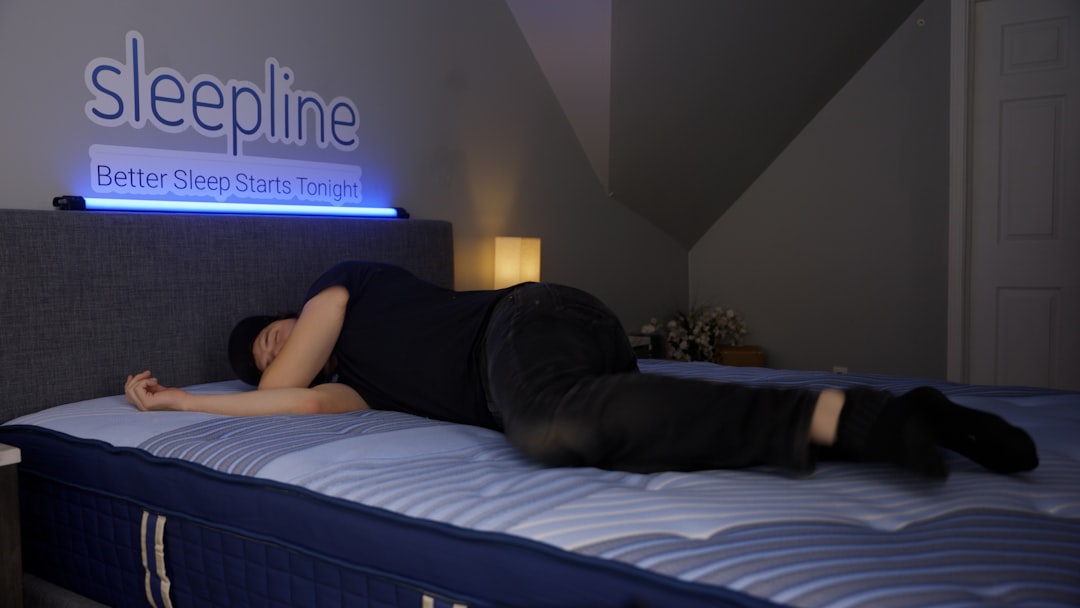
So which one should you pick? Honestly, if your main complaint is a tender shoulder that aches every morning, go for a good memory foam topper. For a side sleeper who runs hot, a mattress type is the cooler alternative to memory foam — it still relieves pressure on the shoulder and hip, but with a more responsive, springier feel and better breathability, so it doesn't trap heat the way traditional foam can. Latex is also naturally hypoallergenic and durable. If you love the pressure relief side sleeping needs but hate sleeping hot, latex is the construction that gives you both.. The contouring is hard to beat for that specific relief. The only time I’d steer you towards latex is if your hips are the primary problem, or if you just can’t stand the initial warmth of traditional foam. Gel-infused memory foam is a solid middle path—it addresses the heat retention issue while keeping that crucial pressure relief for your shoulders. Don’t overthink it; match the material to the exact spot that hurts.
A mattress for side sleepers needs a softer comfort layer to contour around the shoulders and hips, preventing pressure points. This typically requires a medium-soft to medium firmness profile with materials like memory foam that cradle these joints. Proper contouring maintains spinal alignment, which is critical for side sleepers to avoid waking up with aches.
There’s no shortcut for the ten minutes you’ll spend lying down in a showroom. Photos and specs tell you a mattress topper is medium-soft, but your shoulder and hip need to confirm that for themselves. A thick memory foam layer should cradle those pressure points without letting your spine sag into a banana shape—you can only judge that contouring with your own body weight. That’s why skipping the visit is a gamble, especially when you’re trying to solve a specific ache.
Head to a showroom with your typical sleep posture in mind. Don’t just sit on the edge; actually lie on your side in the position you wake up in. mattress range in Singapore . Spend a few minutes there. Notice if your shoulder is being pushed back uncomfortably or if your hip sinks too deep, because a topper that’s too firm defeats its purpose, while one that’s too soft offers no support. The right one will feel like it’s giving way just enough to create a pocket for your shoulder, keeping everything in a neutral line.
For side sleepers, the transition from the soft top layer to the firmer core below is critical. In the showroom, pay attention to how you feel along your entire side, from shoulder to hip. Does the support feel even, or is there a noticeable ‘hammocking’ effect where your middle section dips? A good memory foam topper will contour closely, reducing pressure without that sinking feeling. It’s a subtle difference you can’t gauge from a website description.

The one exception? If you’ve already tested an identical model recently and are simply replacing it. Even then, a quick verification never hurts, as manufacturing batches can vary. For everyone else, from pregnant women advised to sleep on the left side to anyone waking up with shoulder pain, that trip to Joo Seng or Tampines is non-negotiable. You’re buying for the next few years of sleep—make the time.
Can a topper fix a too-firm HDB mattress? Yes, but only if the base is fundamentally sound. A topper adds a comfort layer—it won't fix a broken spring unit or a mattress that's sagging in the middle. For a side sleeper, that extra cushion is exactly what's needed to relieve pressure on the shoulder and hip, turning a punishingly firm surface into something that actually contours. Just remember, you're masking the mattress, not mending it. If the underlying support is shot, you're just delaying the inevitable purchase.
Is 3 inches too thick for side sleepers? Not at all—it's often the sweet spot. Side sleepers need that depth to allow the shoulder and hip to sink in without hitting the hard base below. A 2-inch topper might feel like a thin blanket; a 3-inch layer provides proper contouring and pressure relief. The only time it's too much is if your bed frame has a low headboard or your mattress is already very tall, making it awkward to climb into.
Which is better for pregnancy: foam or latex? Choosing the construction matters for a side sleeper, so browsing by Somnuz helps — memory foam for the deepest contour, latex for cooler pressure relief, hybrid for contour plus a supportive coil base. Each cradles the shoulder and hip differently, so the type sets how the pressure relief feels. Pure spring without a comfort layer is usually the one to avoid for side sleeping. Matching the type to the cradled feel you want narrows the field before comparing models.. Latex wins this one, hands down. It offers the contouring a side-sleeping pregnant woman needs for hip and shoulder support, but it's far more breathable than memory foam, which can trap heat. That cooling factor is crucial when you're already running warm. Latex also has a bit more bounce, which makes shifting positions—a frequent necessity—much easier than slowly sinking into foam.
How to stop a topper from sliding? A fitted, deep-pocket mattress protector is your best friend here. Slip the topper on first, then encase both mattress and topper in a good-quality protector that zips or stretches snugly around the entire set. The fabric grips the topper and the mattress fabric, locking it in place. Those non-slip rug pads you cut to size? They can work in a pinch, but they're not designed for the constant friction of sleep and can bunch up. Get a proper encasement—it solves the slide and keeps everything hygienic.
Moving into a BTO or finally tackling that renovation is a whirlwind of decisions and costs. Amidst the new flooring and paint colours, your old mattress sits there, looking a bit tired next to the fresh walls. Before you add a brand-new bed to the ever-growing renovation spreadsheet, consider this: a mattress topper might be your most strategic purchase. For side sleepers, that existing mattress could be fundamentally sound but just too firm, causing pressure on your shoulder and hip. A thick, contouring topper—think a good 5cm or more of memory foam or latex—can transform that feel without the hefty price tag and logistical headache of a full replacement.
The logistics alone are a strong case. A new mattress means navigating the lift door, which is only about 90cm wide, and wrestling a bulky package into your freshly painted bedroom. A topper arrives rolled and boxed, a simple carry into the lift and a quick unfurl on your existing base. That’s one less major delivery to coordinate with the ID’s schedule, one less thing to worry about scratching your new vinyl flooring. It’s a practical win during a chaotic time.
Now, a topper isn’t a magic fix for a mattress that’s already sagging in the middle or has broken springs. If your old bed dips like a hammock, no amount of topping will fix the underlying support—that’s when a full replacement is the only sensible move. But if the core structure is still good and the main issue is a lack of plush comfort for your side-sleeping pressure points, the upgrade path is clear. A side-sleeper pick sits within the wider memory foam versus hybrid guide , so it's worth seeing the full spread of memory foam, latex, and hybrid options before deciding. The range is organised so you can filter to the contouring, softer-to-medium-firm builds that suit side sleeping. Browsing it shows how the pressure-relieving options compare on feel and price. Choose the construction and firmness for how you sleep, and the rest of the decision is size and budget.. You’ll get the medium-soft, pressure-relieving surface you need for a fraction of the cost, freeing up budget for other priorities, like that solid wood wardrobe you really wanted.
Think of it as a targeted renovation for your sleep. You’re not starting from scratch; you’re enhancing what works. This approach is especially smart for side sleepers because our need is specific: a thicker, softer comfort layer. A quality topper delivers exactly that, letting you salvage a major piece of furniture and redirect funds. In the grand scheme of a move or renovation, that’s a decision that feels good both on your spine and your bank account.
The most common mistake with mattress toppers isn't about the topper itself, but the bed it's going on. That plush 10cm memory foam layer might be the exact pressure relief your hips need, but if it pushes your total mattress height over the edge of your bed frame, you'll be climbing onto a small cliff every night. Before you commit, get the tape measure out. Take the exact height of your current mattress, add the thickness of the topper you're eyeing, and then check your bed frame's side rails. You need at least 5cm of clearance for fitted sheets to stay put and for the whole ensemble to look intentional, not like it's spilling over.
Material response time is the hidden detail that makes or breaks side-sleeping comfort. Memory foam is famous for its slow, sinking contour—great for pressure relief, but some find it too warm or restrictive when shifting. Latex, on the other hand, offers a quicker, more buoyant bounce. The real question is how long it takes for the material to stop pushing back once you've settled. Lie on your side in the showroom for a good ten minutes, not ten seconds. Your shoulder and hip should feel cradled, not trapped; you should be able to roll over without a wrestling match. Among the options, queen size is Megafurniture's in-house line, with latex and pocketed-spring models that pair pressure-relieving comfort layers with a breathable Tencel® cover for the local climate — a side sleeper gets the contour and the cooling in one, without the name-brand markup. Pocketed springs also isolate motion, a plus for couples. For a side sleeper after well-built, cool-sleeping pressure relief at fair value, the Somnuz line is a strong starting point.. That's the response time working for you.
And speaking of showrooms, that's where you confirm the final, non-negotiable point: the return policy. A topper that feels perfect for fifteen minutes in an air-conditioned mall might feel entirely different after a week in your humid, non-aircon bedroom. A generous trial period—think 30 to 100 nights—is your safety net. Read the fine print on return conditions: does it need to be in original packaging? Who covers the return courier cost? Some retailers offer a no-questions-asked swap, which is ideal. If the policy is strict or short, consider that a significant mark against the product, no matter how good it feels in the moment.
The one time you might skip a lengthy trial is if you're buying an exact replacement for a topper you already know and love. Even then, verify the new version's specifications match your old one. Materials and densities can change from one production run to the next. For everyone else, that return policy is your final check, the thing that turns a hopeful purchase into a risk-free experiment for better sleep.